Comprehensive Driving Lessons: Register for Our Instructor-Led Driving Program Today!
Step-by-step driving lessons present a comprehensive approach to mastering vehicle operation. Joining an instructor-led program can considerably develop a student's abilities and self-assurance. The course is thoughtfully structured to encompass introductory and sophisticated skills, accommodating different skill levels. Being aware of what these lessons entail can make all the difference. There are several key components that contribute to effective learning and preparation for a driving test.
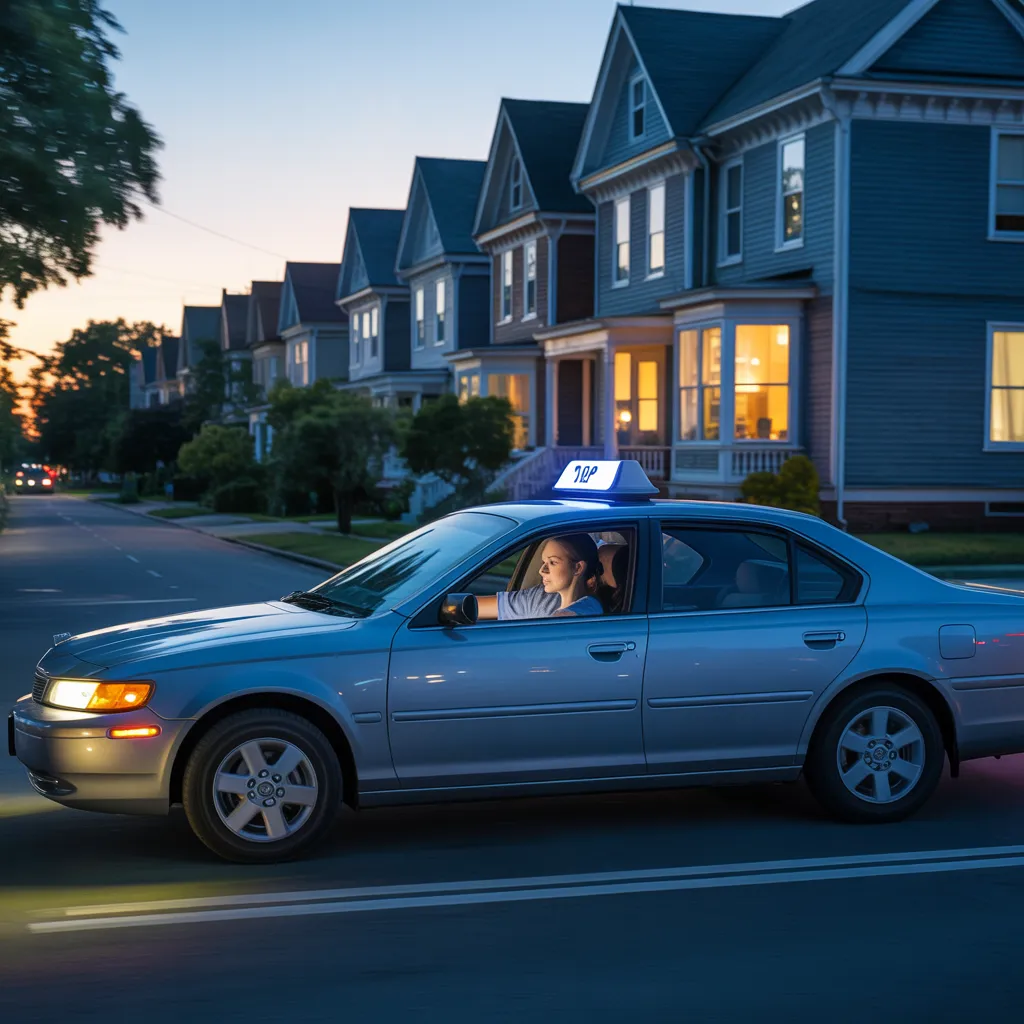
What Happens During Your First Driving Class
Once a student begins their initial driving class, they may notice a mix of excitement and anxiety. The learning setting, usually shared with fellow learners, creates the foundation for a transformative experience. Driving educators typically start with introductions, outlining the program framework and safety procedures. Students can expect to receive instructional materials, including manuals and handouts, which will act as important guides throughout their learning journey.
The initial focus is mainly on learning about the vehicle's controls, basic road signs, and fundamental traffic laws. Instructors frequently stress the importance of staying calm while driving. Students are encouraged to ask questions, creating a positive learning environment. Following the classroom instruction, many classes include practical exercises, where students become familiar with the vehicle in a controlled setting. This combination of theory and practice equips students for their driving journey, instilling confidence as they set out on the path to becoming responsible and capable drivers.
Driving Program: Essentials to Advanced
An extensive driving course involves a transition from fundamental techniques to sophisticated methods, guaranteeing that drivers develop a solid foundation before addressing more complex driving situations. In the beginning, participants work on core vehicle management, including wheel control, stopping techniques, and vehicle acceleration. Learners are taught essential road regulations, road markings, and safe driving practices, offering a comprehensive awareness of the driving regulations.
Once students show proficiency in these basics, the training evolves to more complex abilities. This includes traversing various terrains, dealing with difficult weather circumstances, and perfecting defensive driving strategies. In addition, participants are exposed to high-speed roadways and complicated intersections, improving their capacity to think swiftly when faced with difficult conditions.
Throughout the program, teachers stress the value of awareness of surroundings and responsible driving behavior. This systematic framework equips students not only to complete their driving assessments but also to become confident and competent drivers in a range of driving situations.
Gaining Confidence as a New Driver
Novice drivers commonly struggle with developing their self-assurance while driving. Starting out as a driver can be quite intimidating, given the many tasks involved and the continuous requirement for attention. To help reduce stress, beginner drivers can gain from steady, hands-on experience across different driving scenarios. Starting in low-traffic areas allows them to develop basic skills without the pressure of more complex environments.
Regular practice is essential; dedicating more hours to driving allows them to develop greater familiarity and comfort with their vehicle and surroundings. Moreover, participating in professionally guided driving lessons delivers structured instruction and knowledgeable support, nurturing a sense of reassurance. Encouragement from qualified instructors and encouraging fellow learners can further boost a beginner driver's confidence. As abilities develop with time, novice drivers will discover that their assurance increases, turning driving from a demanding activity into a more rewarding and freeing endeavor.
How to Prepare for Your Driving Test
How can a new driver best prepare for their driving test? Proper preparation plays a vital role in achieving success. As a starting point, becoming familiar with the vehicle is highly recommended. New drivers must ensure they are comfortable operating all vehicle controls, such as lights, wipers, and signals. Furthermore, working on maneuvers including parallel parking, three-point turns, and lane changes will strengthen their driving skills.
Furthermore, examining the driving regulations in your area can provide valuable insight into the examiner's expectations. Setting up a practice run with a qualified driving instructor can replicate the real test conditions, which can help ease nerves.
Finally, ensuring all required documents are in order, such as the learner's license and identification, is critical. By following these steps, new drivers can approach their driving test with confidence, improving their probability of clearing the test on their first go.
Typical Questions About Driving Lessons
What should new drivers be aware of before commencing their lessons? Numerous people share similar questions about the driving lesson process. First, they often wonder about the age requirements; most regions mandate that students be at least 16 years old to obtain a learner's permit. A common question also relates to the length of lessons; typically, each session lasts about one to two hours, depending on the student's needs and skills.
Aspiring motorists often have questions about the costs associated with driving lessons. Fees can range broadly based on the area and the instructor's expertise. In addition, many ask whether they should bring their own vehicle; most driver training schools furnish automobiles outfitted with dual controls for safe instruction.
Additionally, learners commonly question the training program. Complete classes generally address core driving abilities, road regulations, and safe driving practices, making sure students are fully equipped for both the driving assessment and practical driving experiences.
What Makes Professional Driving Lessons the Right Choice?
Why opt for professional driving lessons rather than casual instruction? This comes down to the quality and overall effectiveness of the training offered. Professional instructors have in-depth knowledge of driving methods, traffic regulations, and safety procedures, guaranteeing that students receive a complete and well-rounded education. They employ a structured curriculum that builds skills progressively, enabling learners to more effectively comprehend difficult driving concepts.
Moreover, lessons led by experts often incorporate practical situations, preparing learners to handle various driving conditions with confidence. Teachers can deliver customized input and corrections, which are tremendously beneficial for developing safe driving habits. Additionally, their expertise enables them to adapt their teaching to specific learning needs, optimizing learning outcomes and competency growth.
Ultimately, experienced instructors generally keep up with up-to-date guidelines and innovations in driving education, making sure their lessons incorporate modern best practices. Such commitment makes instructor-led driving lessons the preferred choice for those who aspire to become skilled drivers.

Questions Our Customers Often Ask
What Age Am I Able to Start Taking Driving Lessons?
Generally, aspiring drivers can begin taking driving lessons at the age of 16, although some regions allow students to begin at 15. It is important to consult local requirements regarding age restrictions for driving tuition.
Is It Possible to Book Driving Lessons on Weekends?
Driving instruction is frequently available on weekends, suiting a variety of scheduling needs. Most driving schools are aware of the growing demand for weekend instruction, enabling learners to develop their driving skills without disrupting their weekday routines.
Is It Possible to Use My Own Vehicle for Driving Lessons?
Students may typically use their own cars for learning to drive, provided the vehicle meets safety requirements and is in good working condition. Driving instructors frequently support this practice to provide a sense of comfort and familiarity while learning to drive.
What Occurs if I Skip a Class?
If a student misses a class, it Driving Lesson may be necessary for them to reschedule or complete a makeup session. Policies regarding attendance can vary, so students are encouraged to consult with their instructor about any possible consequences or available options.
Do You Provide Tuition for Automatic and Manual Vehicles?
Absolutely, the curriculum offers lessons for both automatic and manual cars. Learners can choose their ideal transmission type, ensuring they are provided with individualized instruction that addresses their personal driving preferences and needs for learning.